
Thermoplastic Powder Coatings Polymer, PVC Plastisol Coatings and Coating Equipment
China Supplier PECOAT®
China Professional Manufacturer of Thermoplastic Coatings and related Coating Equipment
PECOAT® manufactures and exports of thermoplastic coatings (polyethylene PE powder coatings, polypropylene PP powder coatings, PVC powder coatings, PA nylon powder coatings, fluoropolymer ETFE/PTFE powder, Polyolefin PO/PE Rotolining Powder, PVC plastisol coatings) and our proprietary coating‑application equipment.
-
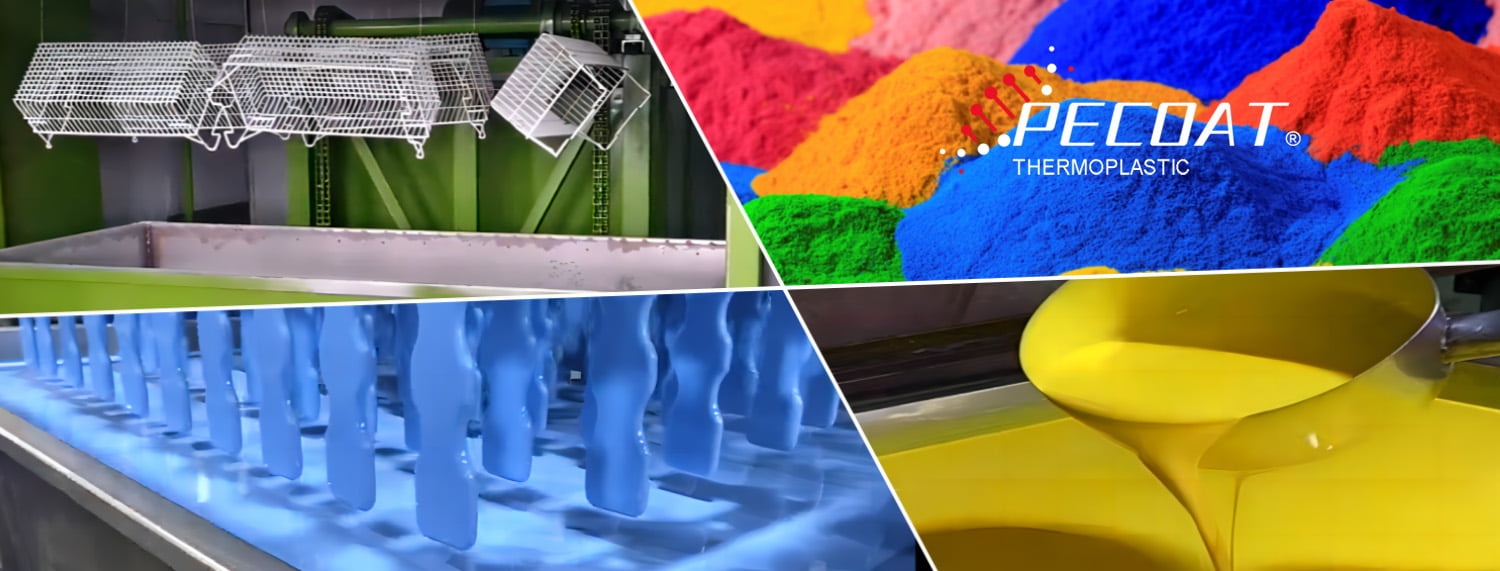
Production of thermoplastic powder coatings, PVC plastisol coatings, thermoplastic polymers, and coating‑application equipment.
As a professional manufacturer, we export our products to over 50 countries worldwide. -
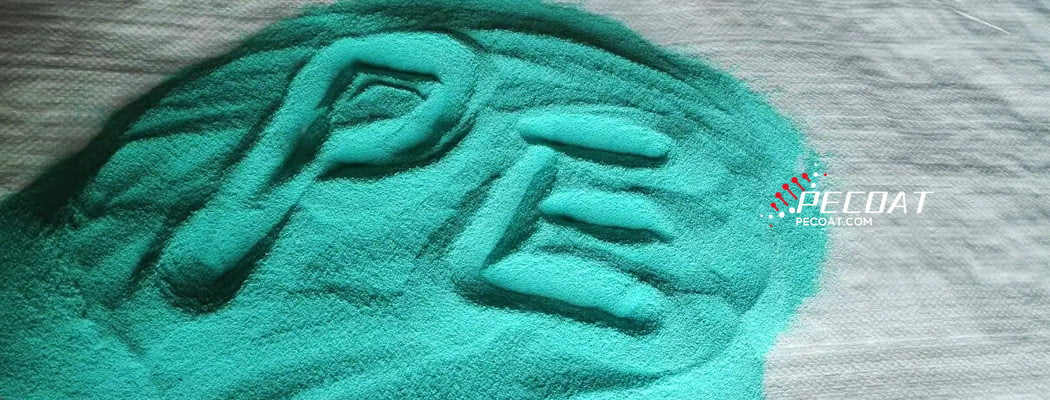
Thermoplastic LDPE Dip Coating Powder
RAL colors and custom colors, applied via the fluidized‑bed dipping process.
PRODUCTS
Thermoplastic Polyethylene (PE) Powder Coating
Thermoplastic Polyvinyl Chloride (PVC) Powder Coating

Thermoplastic Nylon (PA) Powder Coating
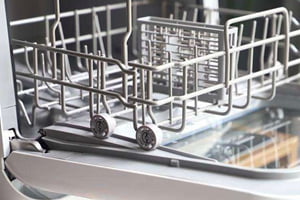
Thermoplastic Polypropylene (PP) Powder Coating
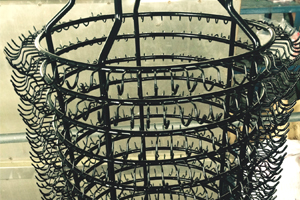
Thermoplastic Fluoropolymer (PTFE,ETFE,FEP,PFA) Powder Coatings
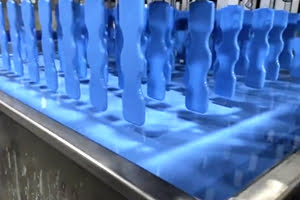
Thermoplastic Polyvinyl Chloride (PVC) Plastisol Coatings
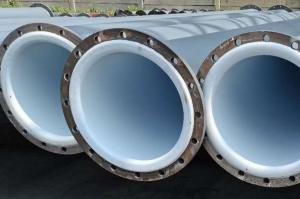
Thermoplastic Polyolefin (PO) Rotolining Powder Coating
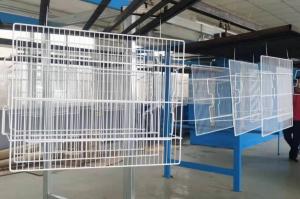
Coating‑Application Equipment | Request More Details
APPLICATION MARKET
Wire & Racks
Tool Handles & Grips
Automotive Parts
Hardware & Daily Products
Patch Badges & Toys
Fencing & Outdoor Furniture
Pipe & Tank Lining
Fire & Battery Box
Medical & Textile
Printing Rollers
Electrical & New Energy
Architectural & Metal Furniture

- Thermoplastic dip coating is a kind of process that applies thermoplastic coating material via a dipping system. The preheated metal parts are immersed in a bath containing coating materials, which adhere to the metal parts, then melt, and cure to form a dense, uniform coating.
- Thermoplastic coating materials are typically in fluidized powder or plastisol liquid form. They undergo no chemical reaction when heated. First, the metal parts are heated to the target temperature; subsequent dipping, post-heating and cooling then transform the coating material into a dense layer with high strength and excellent performance properties.
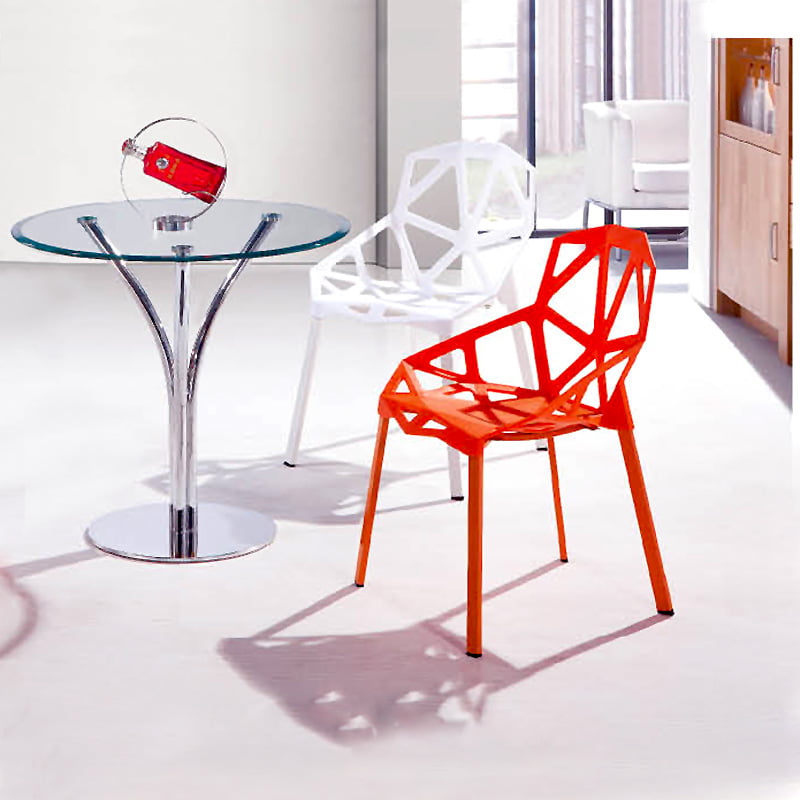
- Thermoplastic coatings can be applied in much thicker layers than other coating alternatives. They feel softer and more comfortable to the touch than hard-shell coatings.
- The thick plastic coating serves as an excellent electrical insulator and also makes the coated objects relatively resistant to temperature transfer.
- The thermoplastic material melts and flows to create a very smooth, continuous surface that covers corners well, it is long-lasting and has excellent UV resistance for color retention.
- Thermoplastic coatings are free of VOCs, halogens and BPA, making them an environmentally friendly choice.
- Household appliances
- Auto parts
- Coating of aluminum profiles
- Window trim
- Indoor and outdoor furniture
- Building construction
- Metal fences and railings
- Food service area
- Merchandise display, etc.
- Polyethylene powder coating is the most widely used, the coating has excellent chemical resistance, anti-aging, impact resistance, bending resistance, acid resistance, salt spray corrosion resistance, and has a better surface decoration performance. Due to it good electrical insulation properties, they are often used in applications where users interact with the objects frequently, such as handles in subway cars.
- Polyvinyl coatings (PVC) usually need a primer to gain a strong bond with the object to be coated but retain the flexibility that makes them ideal for use in applications where the objects are subject to fabrication operations post coating, such as bending and drawing.
- Nylon coating also needs a primer for best adhesion, nylon coatings are hard wearing with an extremely low coefficient of friction, and are often used for bearings and other applications with moving parts.
| Items | PE | PVC | Nylon(PA) |
| Weather ability | 2 | 4 | 3 |
| Salt spray resistance | 2 | 5 | 3 |
| Acid resistance | 4 | 5 | 1 |
| Impact resistance | 4 | 5 | 5 |
| FDA | Pass | No Pass | Pass |
| Electrical insulating | 5 | 4 | 3 |
| Adhesion | 4 | 1 | 1 |
| Flexibility | 4 | 4 | 4 |
| Hardness | 4 | 3 | 4 |
| *The above comparison is for reference only. *5 - Excellent , 4 - Better, 3 - Good, 2 - Ok , 1 - Poor | |||
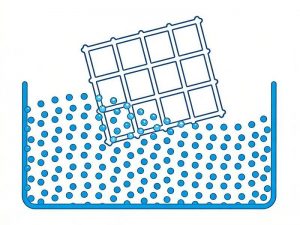
Thermoplastic coating is a surface treatment process that applies thermoplastic materials by dipping or spraying. Thermoplastic coating materials are typically available as powder or plastisol liquid. No chemical cross-linking occurs when the material is heated. The metal parts are first heated to the target temperature. Subsequent dipping or spraying, followed by post-heating and cooling, converts the coating material into a dense, high-strength layer with outstanding performance.
PECOAT® thermoplastic coating materials (PE, PVC, PA, PP, ETFE, PO, PVC Plastisol) outperform many alternative coatings, delivering excellent performance and high cost efficiency. Their primary advantage is strong adhesion, with superior resistance to impact, scuffing, scratching and delamination.
- Thermoplastic coatings can be applied in much thicker layers than other coating alternatives. They feel softer and more comfortable to the touch than hard-shell coatings.
- The thick plastic coating serves as an excellent electrical insulator and also makes the coated objects relatively resistant to temperature transfer.
- The thermoplastic material melts and flows to create a very smooth, continuous surface that covers corners well, it is long-lasting and has excellent UV resistance for color retention.
- Thermoplastic coatings are free of VOCs, halogens and BPA, making them an environmentally friendly choice.
The unique properties of thermoplastic coatings make them highly versatile for a wide range of applications. PECOAT® thermoplastic coatings are widely used in the following fields:
- Household appliances
- Auto parts
- Coating of aluminum profiles
- Window trim
- Indoor and outdoor furniture
- Building construction
- Metal fences and railings
- Food service area
- Merchandise display, etc.
Different industries have varying requirements for products, and these requirements extend to the performance of the applied coating, encompassing factors such as coating thickness, hardness, scratch resistance, adhesion, and appearance.
There are a number of materials used as thermoplastic dip powder coating and electrostatic spray powder coating, including polyethylene, PVC, nylon, polypropylene. The selection should be based on the specific requirement for the product to be coated.
Polyethylene powder coating is the most widely used, the coating has excellent chemical resistance, anti-aging, impact resistance, bending resistance, acid resistance, salt spray corrosion resistance, and has a better surface decoration performance. Due to it good electrical insulation properties, they are often used in applications where users interact with the objects frequently, such as handles in subway cars.
Polyvinyl coatings (PVC) usually need a primer to gain a strong bond with the object to be coated but retain the flexibility that makes them ideal for use in applications where the objects are subject to fabrication operations post coating, such as bending and drawing.
Nylon coating also needs a primer for best adhesion, nylon coatings are hard wearing with an extremely low coefficient of friction, and are often used for bearings and other applications with moving parts.
| Items | PE | PVC | Nylon(PA) |
| Weather ability | 2 | 4 | 3 |
| Salt spray resistance | 2 | 5 | 3 |
| Acid resistance | 4 | 5 | 1 |
| Impact resistance | 4 | 5 | 5 |
| FDA | Pass | No Pass | Pass |
| Electrical insulating | 5 | 4 | 3 |
| Adhesion | 4 | 1 | 1 |
| Flexibility | 4 | 4 | 4 |
| Hardness | 4 | 3 | 4 |
| *The above comparison is for reference only. *5 – Excellent , 4 – Better, 3 – Good, 2 – Ok , 1 – Poor | |||

Manufacturing Process of PO/PE Lined Steel Pipes via Rotolining Process
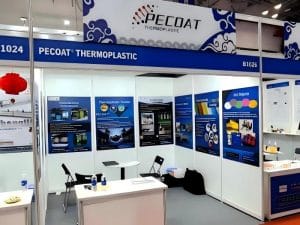
Invitation|The 24th Vietnam International Plastics & Rubber Industry Exhibition (VietnamPlas 2026)
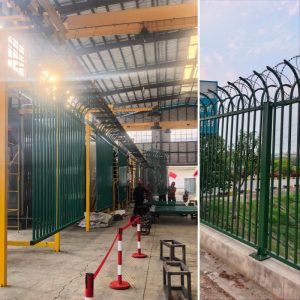
Full Automatic Fluidized Bed Dip Coating Line For Guardrail Of National Project

HALAR ECTFE vs ETFE Performance Comparison